
‘Clean as the Board of Health’ — Our Unique Relationship with Cleaning
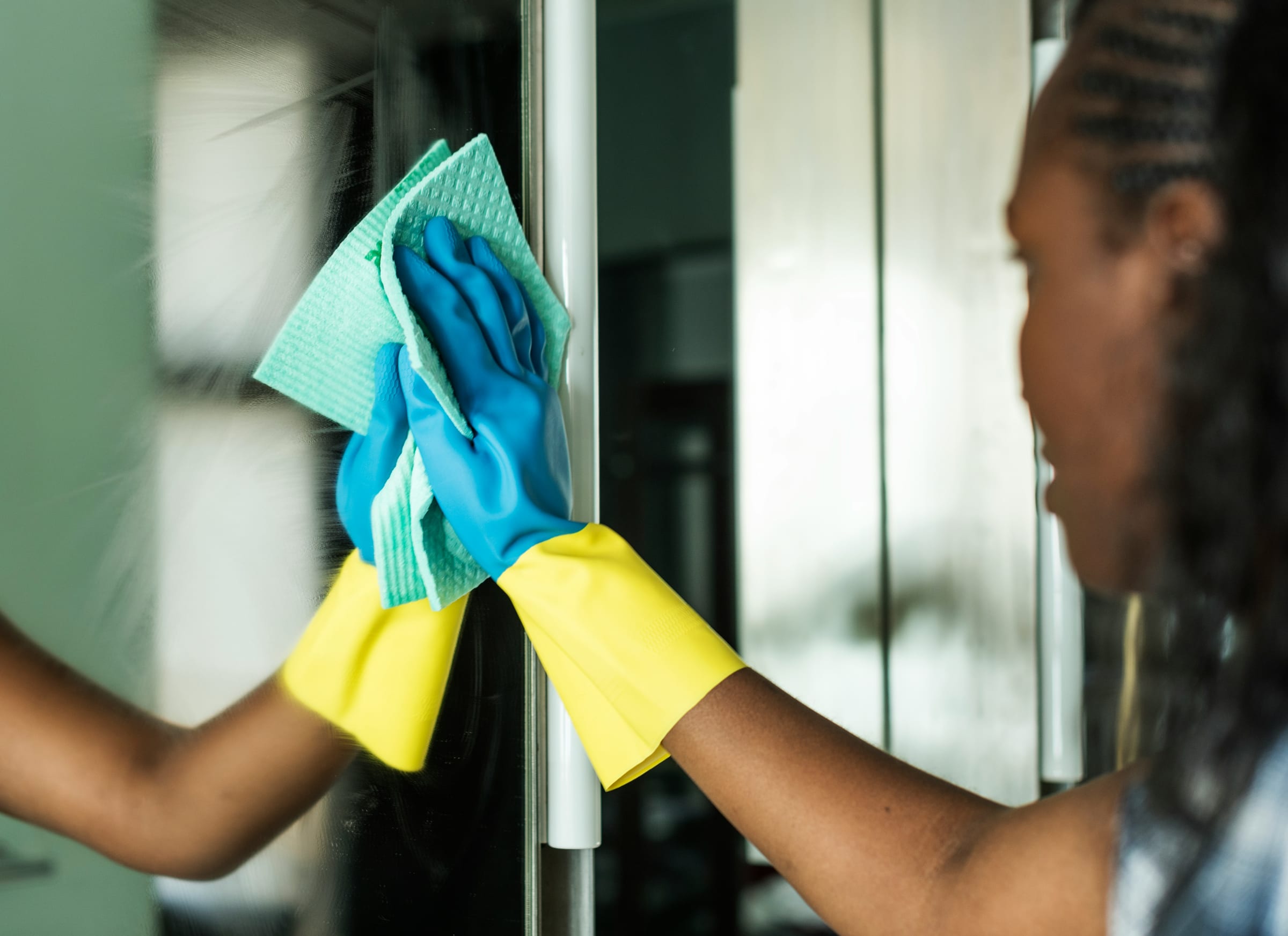
The following is a true story, which reinforces the point of this article.
A Black mother-in-law was spending a few days at her son’s house and got into an argument with her non-Black daughter-in-law.
“You don’t even clean your light switches!” The mother-in-law then proceeded to run her finger down the kitchen light switch cover. “Look at that! It’s all dirty and grimy.”
When the Black side of the family heard this story, they laughed at first, then shook their heads, like, “Yeah, that’s nasty. Who doesn’t clean their light switches?”
Or their baseboards? Or their walls?
We do. And we notice when you don’t.
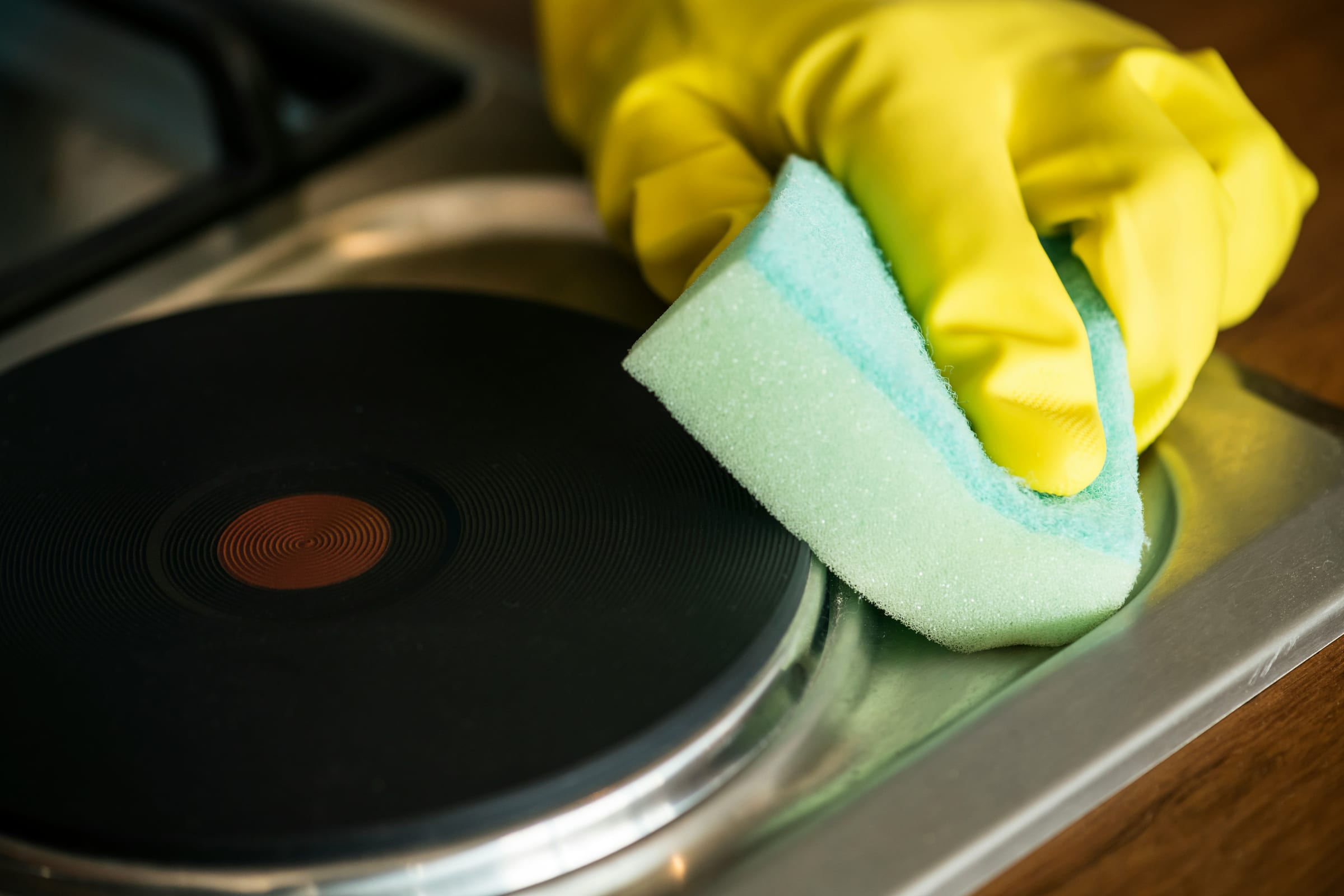
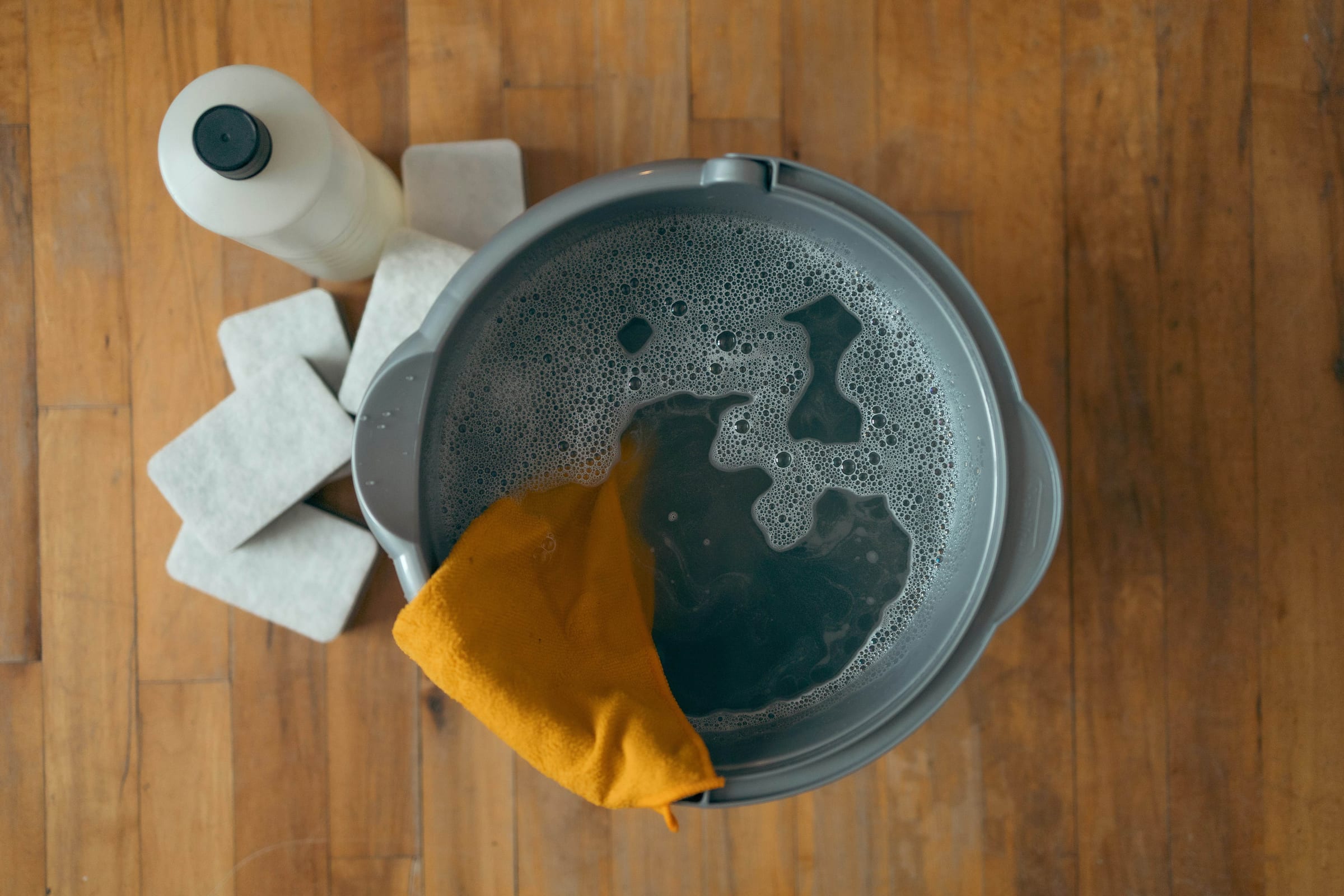
That’s not to say we’re the only ones with clean houses (some of ours aren’t so clean, let’s be real). But traditionally, cleanliness was vital in our households, and that is one of the traditions we’ve kept alive.
We may not have much, but we can have a clean house. Our house may be small, but at least it’s gonna be clean.
Sound familiar?
It’s so ingrained that we don’t even question it anymore. It’s a cultural nuance that has stood the test of time.
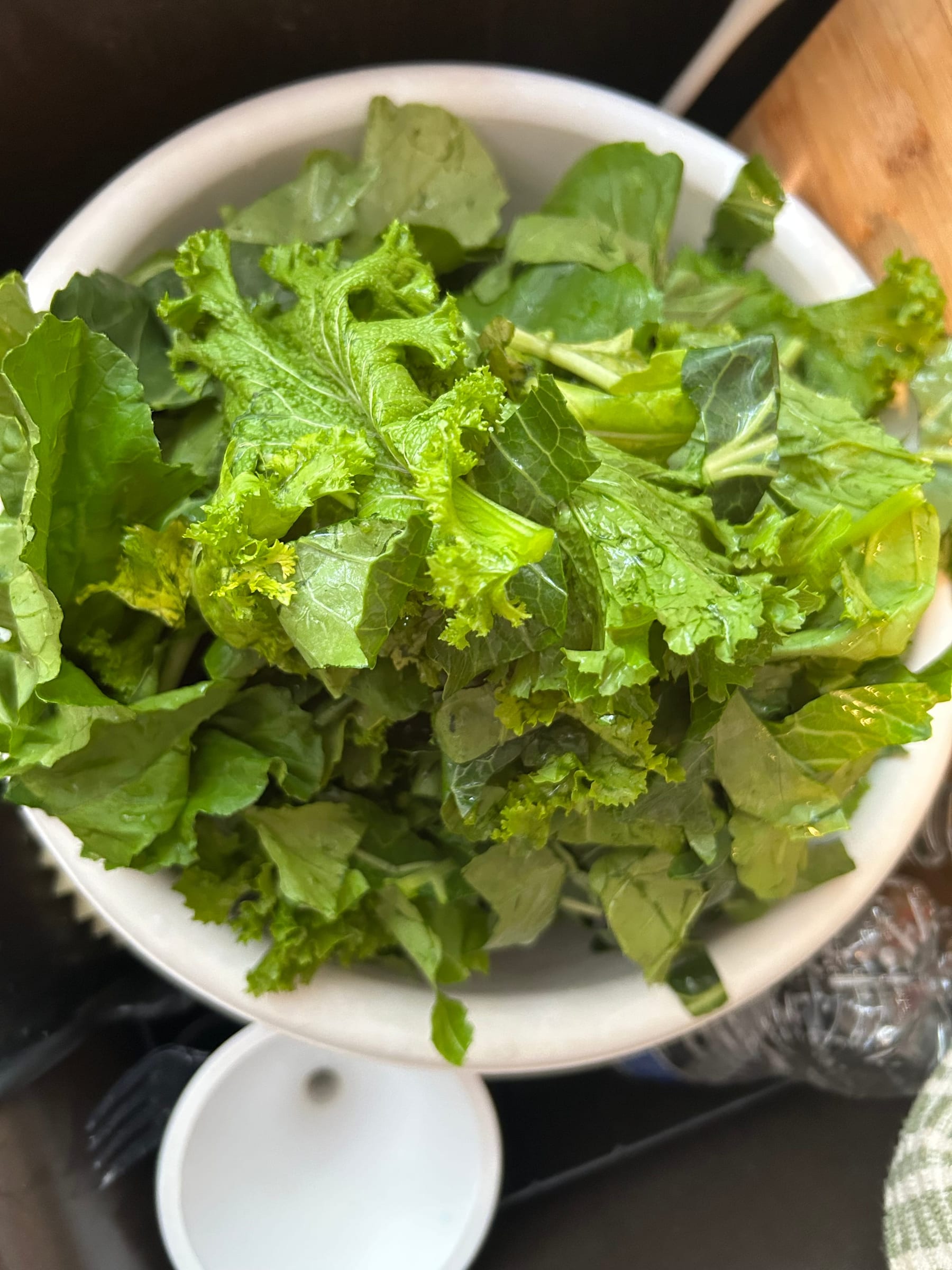
How many of us can relate to the threat of punishment if we didn’t clean the house Saturday mornings? Or got insulted if we were questioned on how well we cleaned the greens?
There is an inherent pride in making sure things aren’t “nasty” — and knowing that “cleanliness is next to godliness.”
From #CleanTok to the “Hygiene Wars” to online arguments about the use of washcloths, Black folks have been the undisputed experts on what constitutes “clean.” Why?
A Conversation with Nikki Boyd
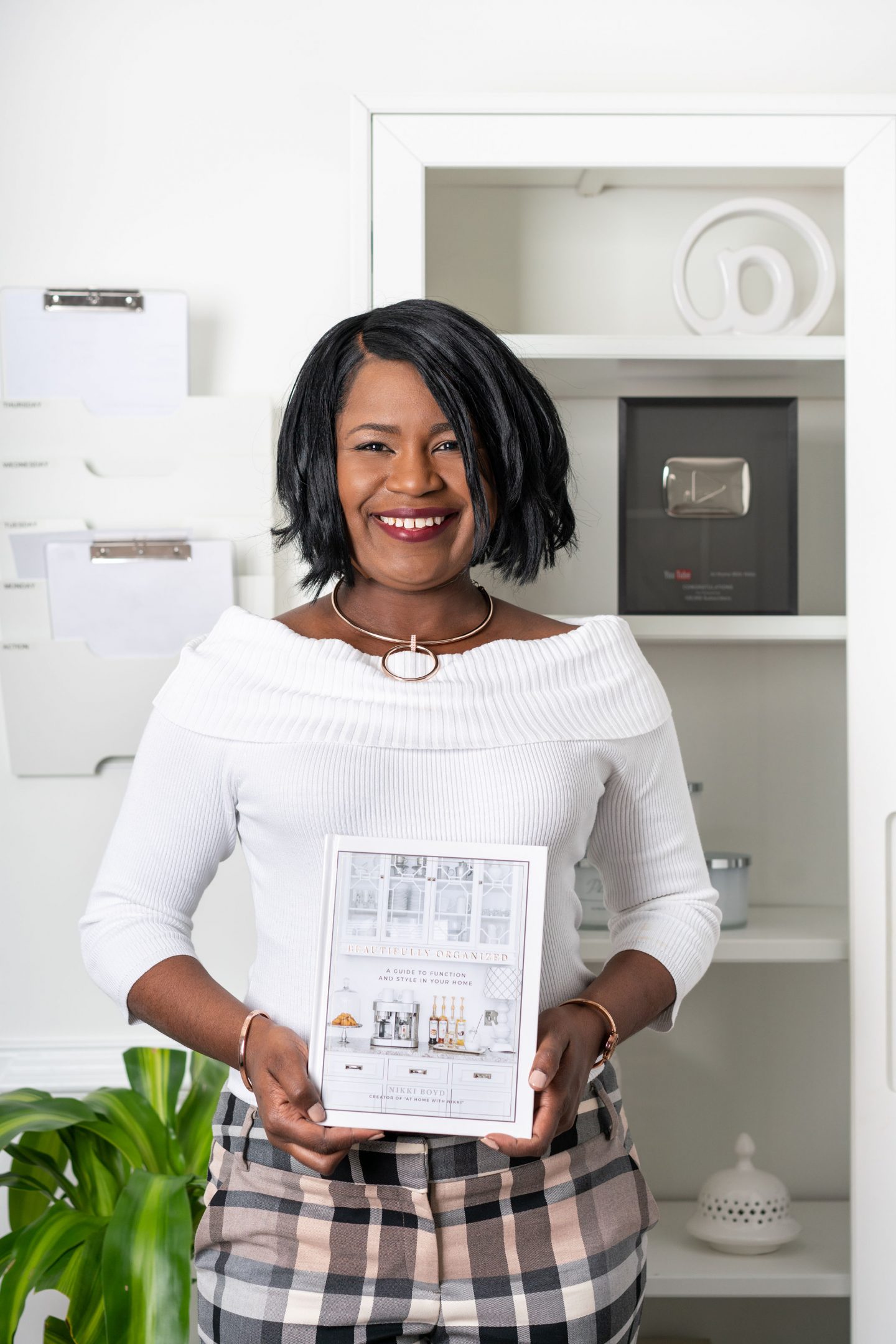
To answer that, we asked home organization expert and bestselling author Nikki Boyd about memory, stewardship, and the rituals so many of us grew up with.
I absolutely do. And I think there are certain memories that will immediately take many of us who grew up in Black households right back home. The plastic covering on the “good” furniture that nobody was supposed to sit on. The clear plastic runner protecting the carpet in the hallway. The room that stayed perfectly clean because it was only for company. And, of course, Saturday morning cleaning, music playing, furniture being moved, and everybody in the house having a job.
We laugh about some of those things now, but when I look back, I see them so differently. That plastic on the sofa wasn’t really about the plastic. It was about preservation. Our parents and grandparents worked hard for what they had, and they taught us that when you were blessed to have something, you took care of it. You didn’t treat things as disposable.
There was also tremendous pride in the home. It didn’t matter whether you had a lot or a little. The house was going to be clean, the good towels were going to be out when company came, and you were going to make people feel welcome. There was dignity in caring for your home and hospitality in preparing it for others.
I think that’s one of the beautiful things that has been passed down through generations in many Black families. What we thought was simply our elders being particular about the house was actually them teaching us stewardship, pride, hospitality and gratitude.
And maybe that’s why cleaning can feel so deeply connected to memory for us. Sometimes the smell of a certain cleaning product, the sound of old-school music on a Saturday morning, or even seeing one of those plastic carpet runners can take you right back to childhood.
I often tell people that we don’t just see our homes, we experience them emotionally. Think about walking into your kitchen and seeing a sink full of dishes, unopened mail on the counter, groceries that haven’t been put away and a pile of things you’ve been meaning to deal with. None of those things are speaking out loud, but they’re all communicating with you: Don’t forget me. You still need to do this. You haven’t finished that.
Clutter can become a silent to-do list. That’s why I believe organizing is about so much more than making a home look beautiful. It’s about reducing the number of things constantly demanding your attention. And I don’t believe our homes need to be perfect. That’s not the goal. The goal is for your home to give more to you than it takes from you. After spending the day navigating work, family, responsibilities and everything happening in the outside world, home should be the place where you can relax and rejuvenate. It should be the place where you can exhale.
That’s the emotional benefit of an organized home. You’re not simply clearing a countertop or organizing a drawer. You’re creating space for your mind to rest.
The goal is for your home to give more to you than it takes from you.
Organize the place where your family enters and leaves the home. Think about those school mornings: Where are my keys? Where’s your backpack? Did anybody see the permission slip? Where are your shoes? One thing I like to recommend is a “Forget Me Not” basket hanging on the door for items that tend to make us late trying to find each morning, such as keys and those permission slips.
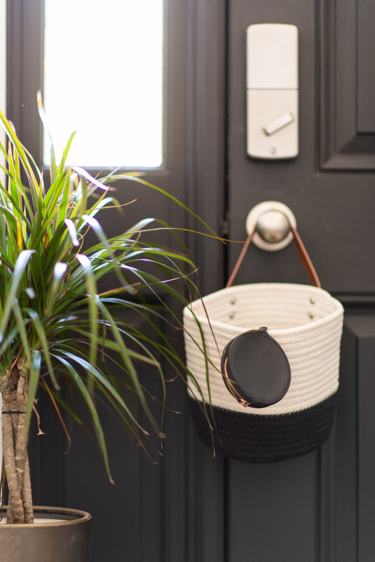
Give the things that continually land there another place to land. If mail always ends up on the counter, create one designated spot for incoming mail. If it’s homework, give each child a basket or file for their school papers. A quick 10-minute reset at the end of the day can be a game-changer for keeping daily clutter under control. Set a timer, put everything back in its home and wipe down the surfaces. It’s amazing what you can accomplish in ten minutes, and waking up to clear countertops the next morning is such a gift to yourself.
Oh yes! Just thinking about those old-school cleaning days brings back so many memories. We didn’t have 15 specialty cleaners and a drawer full of microfiber cloths. We had Pine-Sol, Clorox, Lemon Pledge, a little Comet, Windex and yesterday’s newspaper, because everybody knew newspaper was the secret weapon for getting those windows and mirrors perfectly streak-free.
And there was no such thing as throwing away an old white T-shirt. Once it reached the end of its wearable life, it simply started its second career as one of the best cleaning rags in the house.
Then there was hot water, a bucket of water so hot you could barely put your hands in it! That’s one old-school habit I still stand by in my own home today. Give me good hot water, a trusty cleaning rag and a little elbow grease, and I’m ready to go.
It’s funny how those simple things stay with you. Even now, the smell of Pine-Sol or Lemon Pledge can instantly transport you back home. Our sense of smell has a beautiful way of holding onto memories.
— Nikki Boyd, Home Organization Expert and Bestselling Author of the Beautifully Organized series
Join the conversation
Loading comments…