
Keeping the Garden Lush Through the August Heat
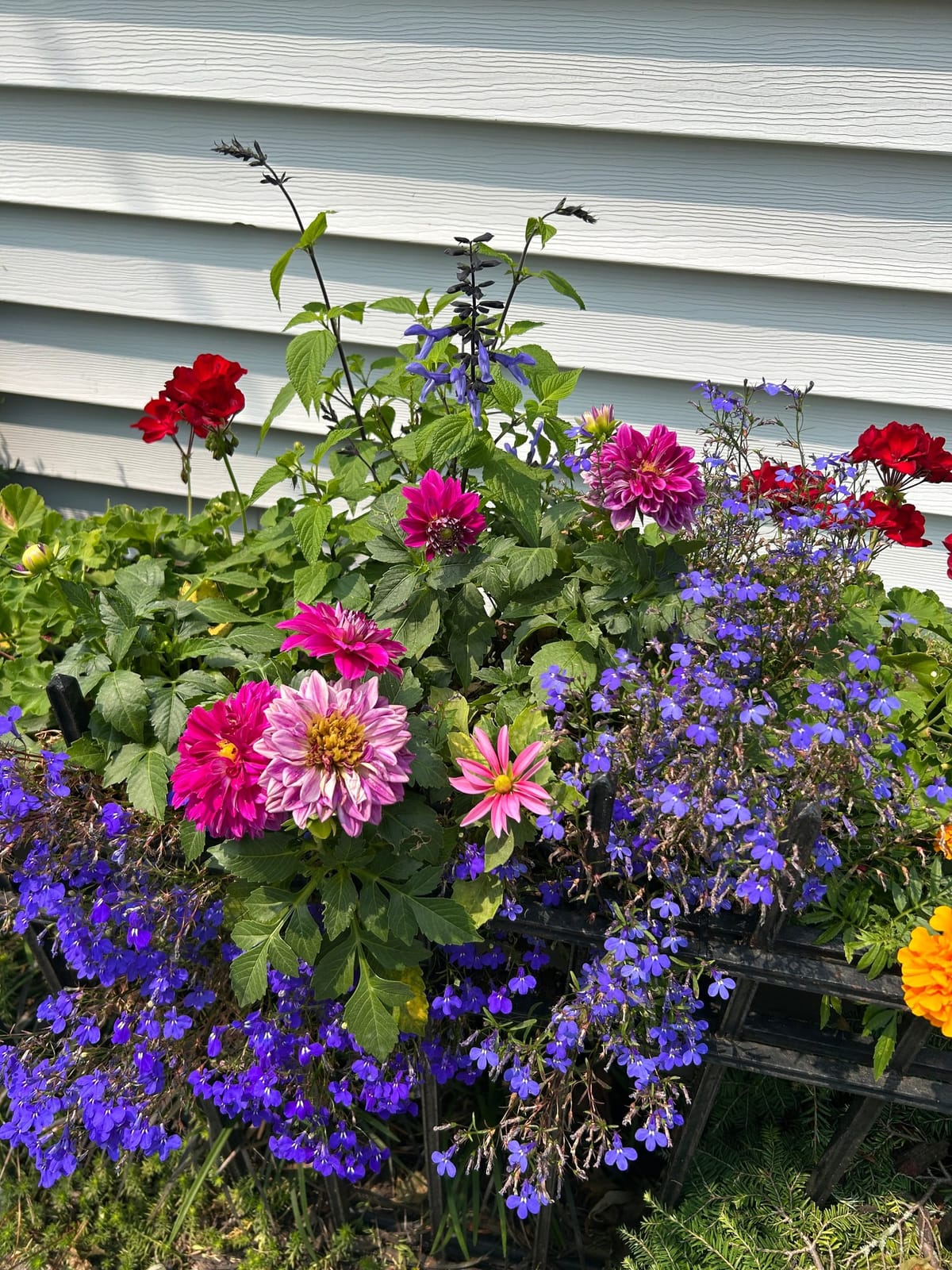
August is when the garden gets tested. June’s easy green is gone, the rain turns stingy, and the heat settles over everything like a wet quilt — tomatoes wilt by noon, the basil bolts, and the pots on the deck look like they’ve had enough of you.
But this is the month a garden pays you back, if you keep it fed and watered right. Beds out back or a cluster of pots on the rail, the dog days don’t have to end the show — a little of the right work now keeps things full and blooming clear to first frost.
A garden in August doesn’t need more work — it needs the right work.
Water Deep, Not Just Often
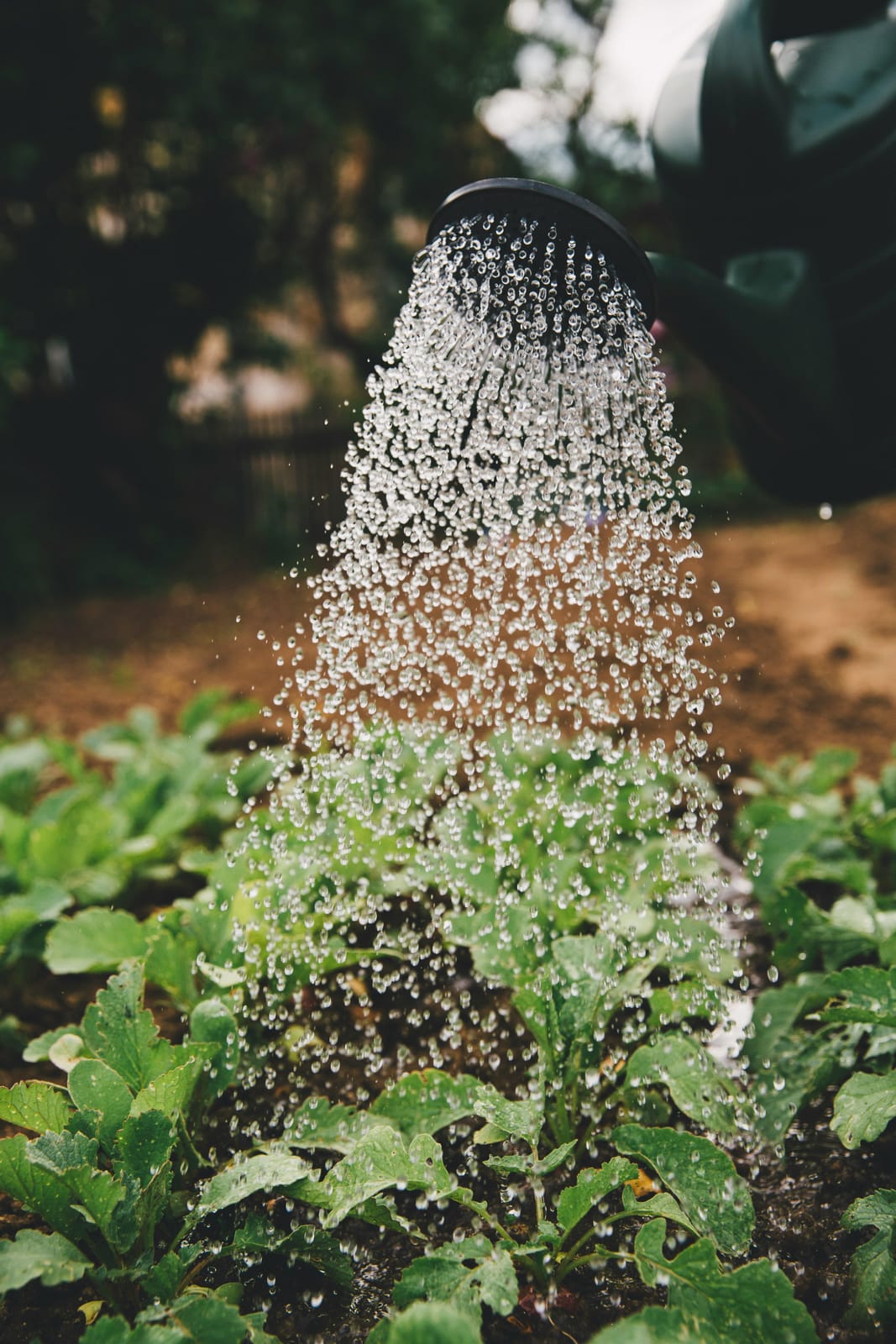
The biggest August mistake is a quick daily splash — it only wets the surface and trains roots to stay shallow, right where the heat can cook them. Water deep two or three times a week instead, so the moisture reaches down and the roots follow.
Do it early: midday watering mostly feeds the sun, and night watering leaves foliage damp enough to invite mildew. Aim for the soil, not the leaves.
Containers are a different animal — a pot in full sun can need a drink every day, sometimes twice. Finger-test an inch down; if it’s dry, it’s time. If one’s gone bone-dry and water runs straight through, set it in a saucer of water for twenty minutes to soak back to life.
Mulch Like You Mean It
Mulch is the closest thing gardening has to a cheat code in the heat. A two-to-three-inch blanket of shredded bark, straw, or grass clippings cools the soil, holds moisture, and smothers the weeds that steal it — in the beds it can cut your watering nearly in half. For pots, a thin layer or a few flat stones slows that fast dry-out.
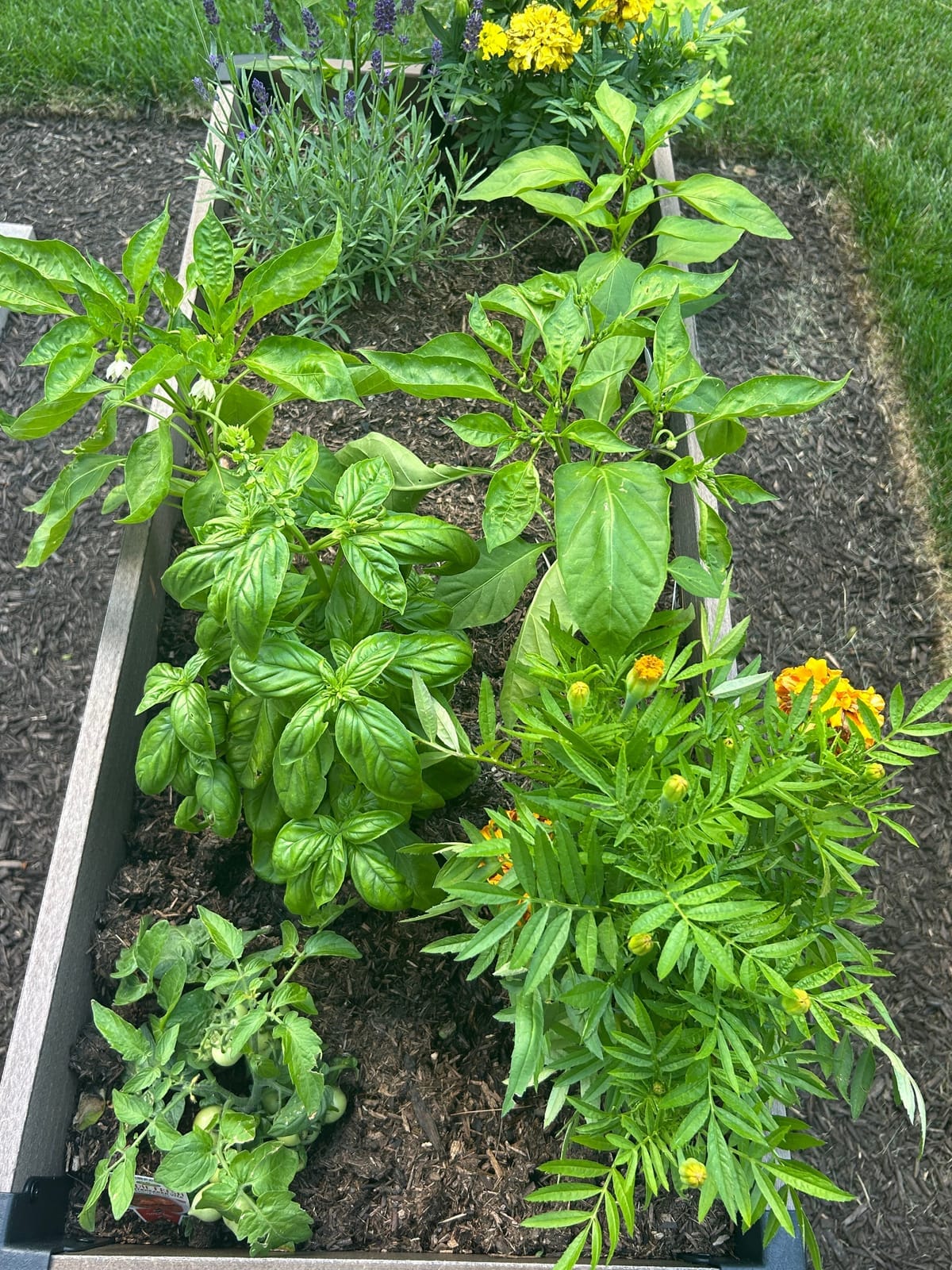
This is the beauty of planting vegetables, herbs, and flowers together. The marigolds and lavender pull in pollinators and keep pests off the peppers and tomatoes, the basil shades the soil and gets you pesto besides — and a mixed bed holds moisture better and looks a lot more alive than a lonely row of anything.
Don’t Sleep on the Containers
Pots and baskets are where a lot of us do our real gardening, and by August they look leggy and spent. A little grooming brings them back: pinch off the tired growth, snip anything straggly, and feed every couple of weeks — frequent watering washes out their nutrients, so a diluted liquid feed keeps petunias, calibrachoa, and the rest pushing new blooms.
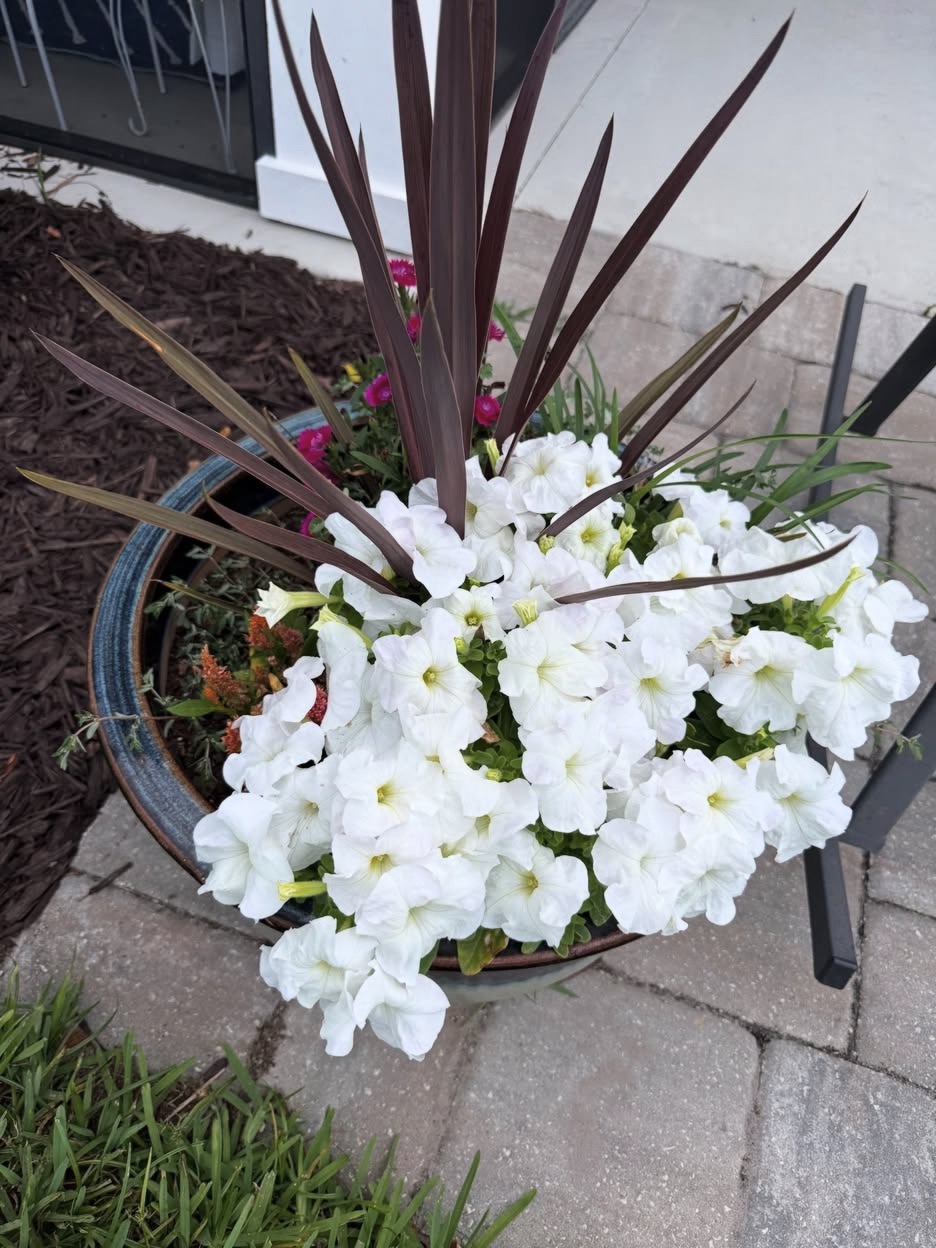
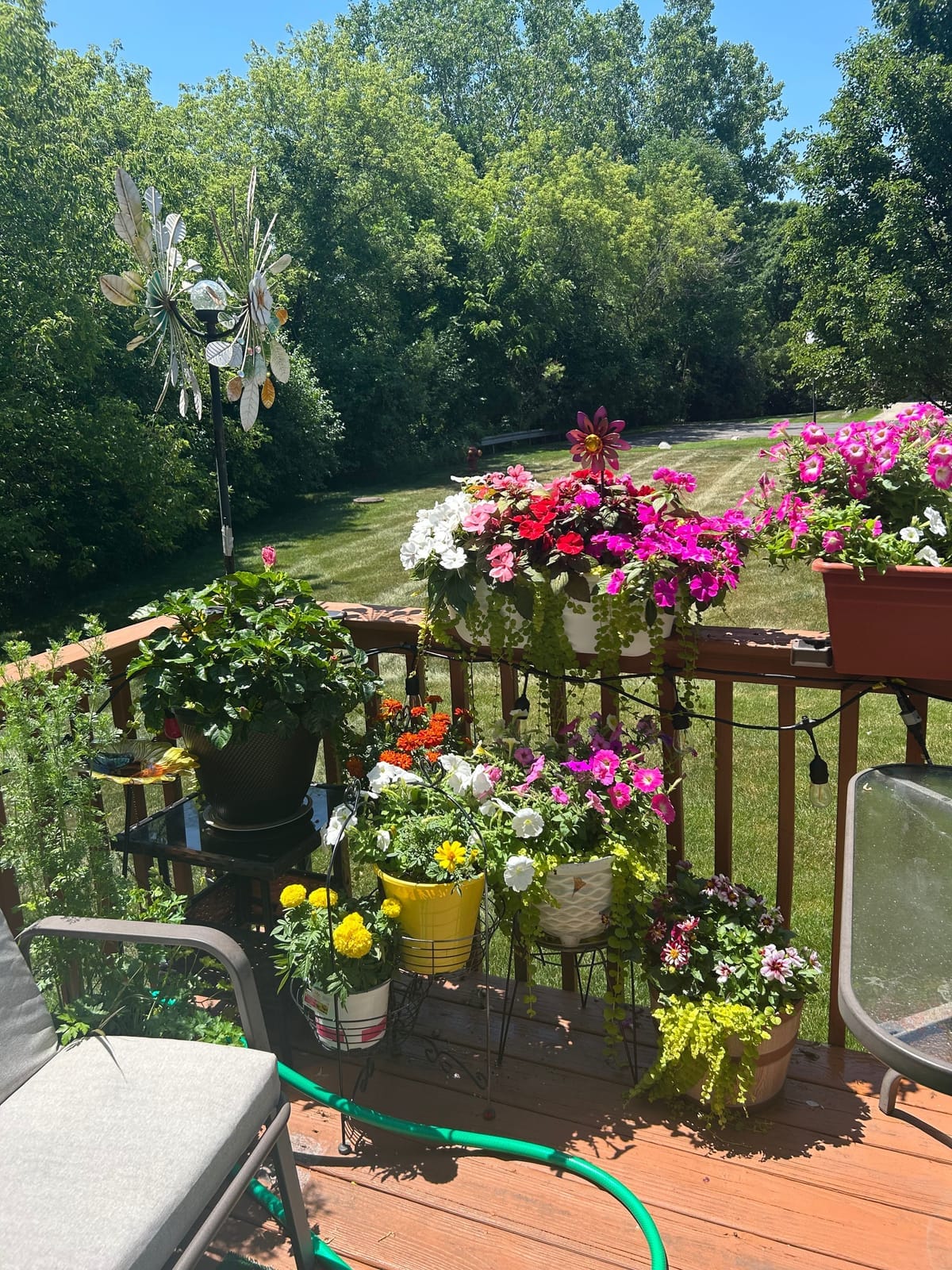
One trick for the hottest stretch: group your containers instead of scattering them. Huddled up, they shade one another’s soil and hold humidity between the leaves, so nothing bakes as fast. Move the strugglers into afternoon shade and they’ll thank you.
Keep the Herbs Coming
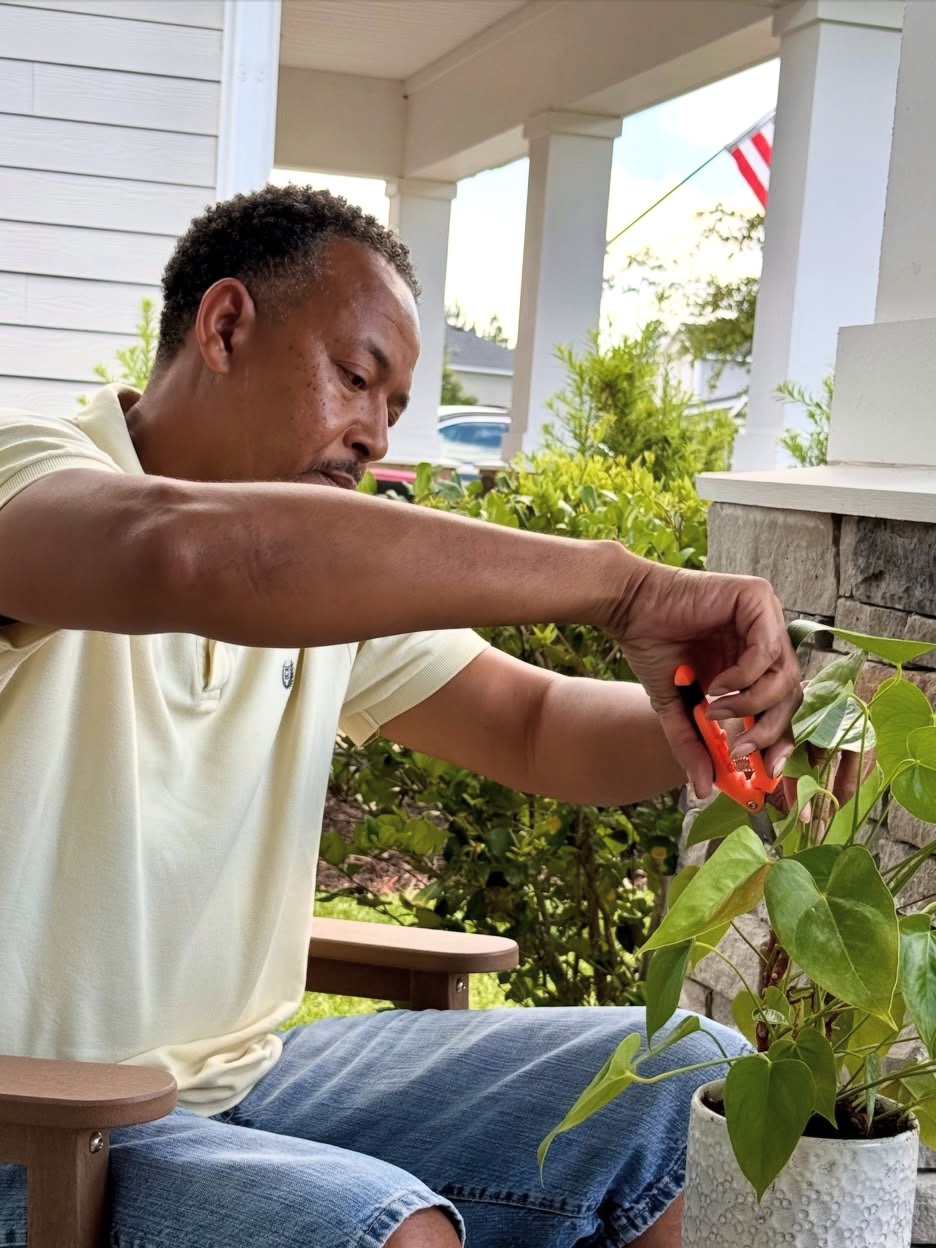
Herbs are the easiest win of late summer — if you keep cutting them. Basil especially will try to flower and turn bitter in the heat; pinch those buds off and it stays sweet and leafy for weeks.
Harvest with a purpose. A good haircut now means fresh basil, mint, and rosemary to the end of the season — and a windowsill pot or two to carry indoors when the nights turn.
Deadhead for the Second Act
If your flowers have quit, they may just be waiting to be told to keep going. Deadheading — pinching off the spent blooms — tells the plant to make more flowers instead of setting seed. Zinnias, marigolds, geraniums, and dahlias will push a whole second flush of color into September for it.
The garden in August is a lot like family in the heat: give it shade, keep it watered, and don’t let the little dead stuff hang around too long.
And then there’s the payoff: peppers coming on faster than you can pick them, tomatoes still warm from the vine, a few leaves of collards for later. That’s the whole point of the fuss.
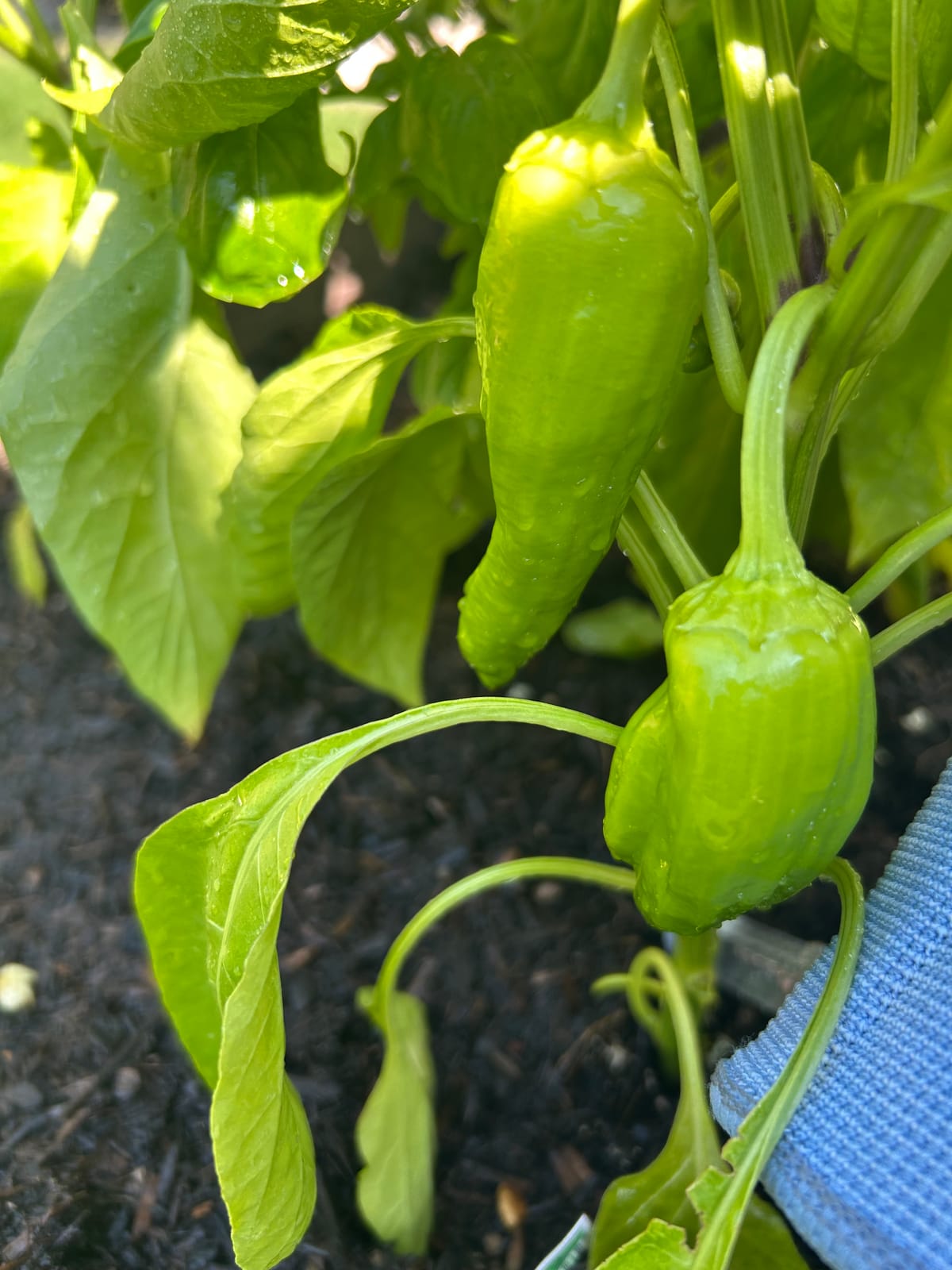
Keep the water deep, the mulch thick, and the dead heads pinched, and your beds and pots will carry you right on through the heat. The garden isn’t giving up in August — it’s just asking you to show up.
Join the conversation
Loading comments…