
Picking Out Your Color
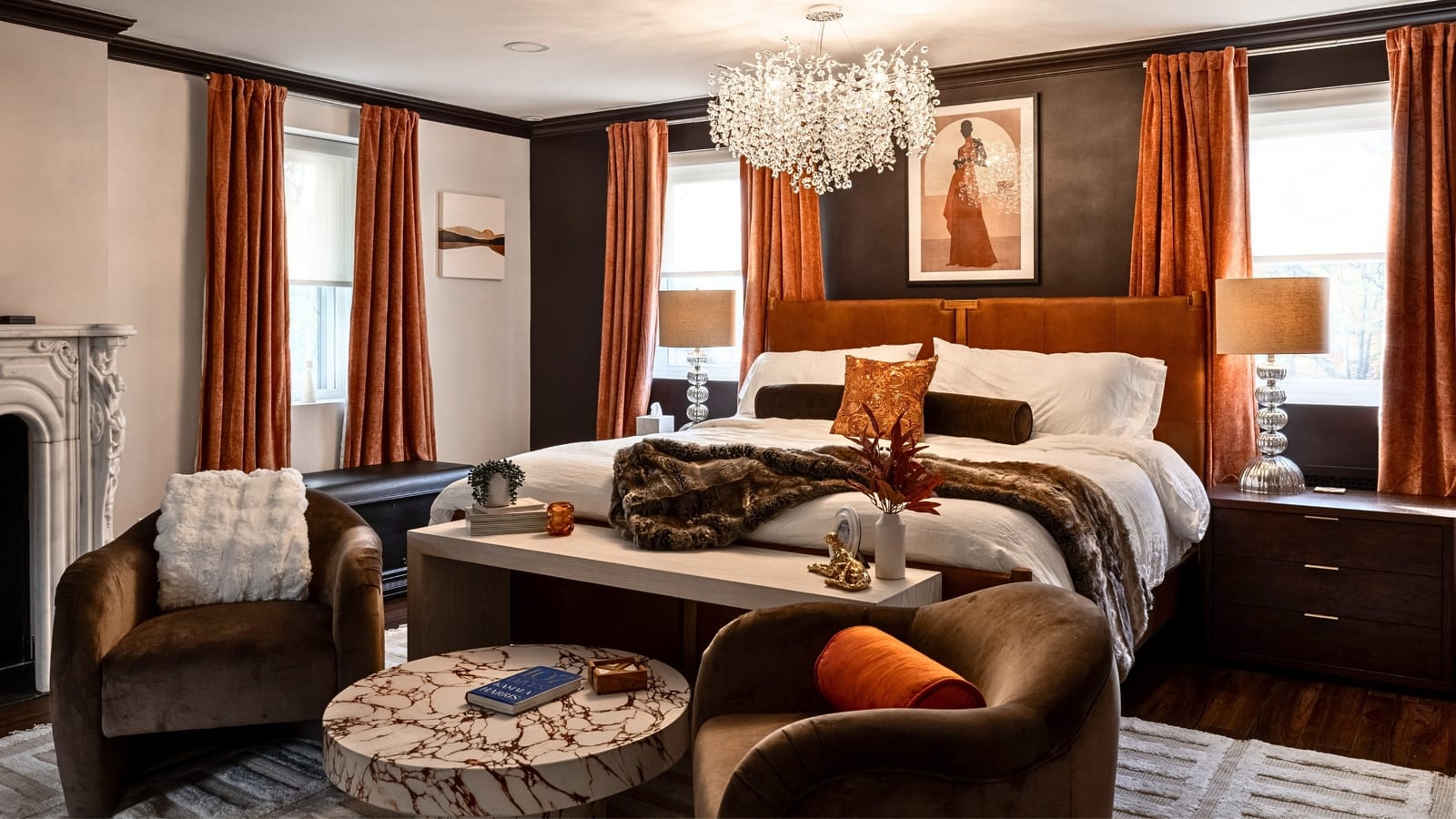
Jazmyn Miller-Gibbs calls herself the “color counselor” for people who are scared of color. As principal designer and owner of Abode Above Interiors, she has coaxed a lot of beige-everything homes into their fullest, most personal selves -- and she swears anyone can get there.

“Color is a muscle -- you can exercise it,” she says. “I wouldn’t start with paint on the walls. Start with a throw pillow or a piece of art. As your eye gets accustomed to the color, you can add another layer.”
Eventually, you may be ready for an accent wall or something more dramatic. “Not everyone is going to be a maximalist, and that’s okay. There’s something for everybody.”
If someone has a beige-everything home, she might introduce a terracotta pillow or a little gold in an area rug, gauging how far she can push the envelope. “Sometimes, once clients see everything together, they realize they’re not actually afraid of color -- they just needed to see what was possible.”
For someone who seems more anxious, I might choose softer fabrics, curved shapes and gentler lines to create a cozy, inviting feeling. For someone who needs energy, I might add electric blue or glass that brings light through in an exciting way. It’s very personal.
Color plays a big role in how a home makes you feel. A bright, sunny-yellow mudroom might be perfect for someone with a difficult job who needs happiness and warmth when they come home. Someone who spends all day in a stuffy office might need a surge of color that helps them feel like themselves again.
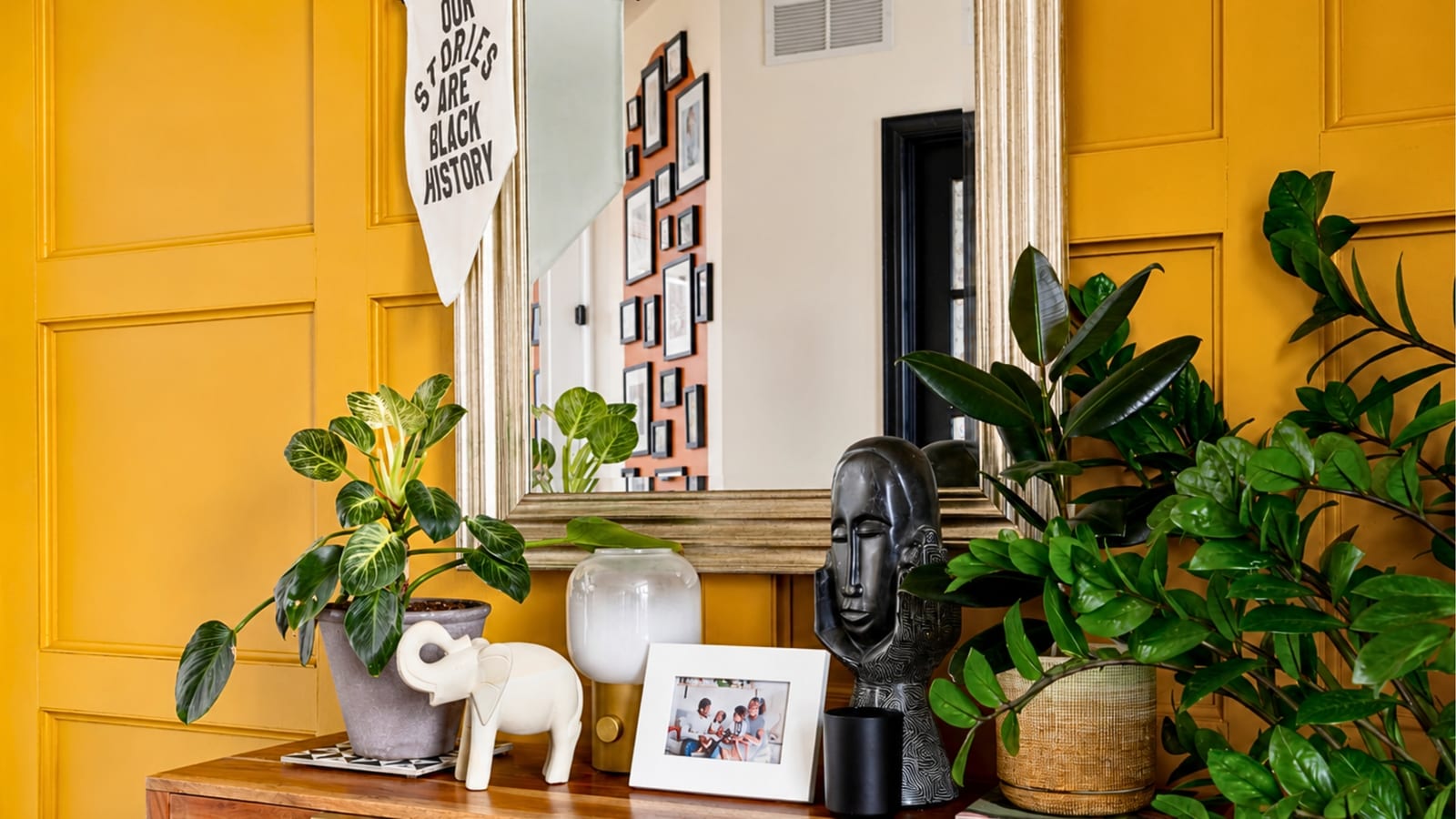
For Miller-Gibbs, that willingness to choose boldly is part of a longer tradition. “I think Black people have always been good at creating homes that reflect who we are,” she says. “Whether it’s the colors on our walls or the art we choose, we’re often willing to make choices that don’t necessarily have to please everyone who walks through the door. This is my house.”
Maybe a color has ancestral or spiritual meaning. Maybe it simply makes you happy. When we plant roots, we plant roots in how a space feels when we walk into it.
Join the conversation
Loading comments…