
Old Arthur’s Barbecue
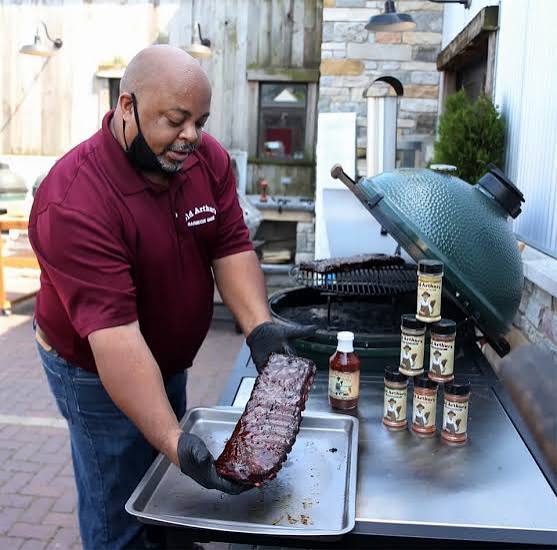
Old Arthur’s barbecue sauce and rubs trace back more than 165 years, to my great-great-grandfather, Arthur Watts.
Born into slavery outside Kansas City in 1837, he was tending cooking fires by five or six and running the open-pit roasting by his teens — the place his recipes were born. Freed at 28, that skill was the only thing of value he carried out of bondage. He headed north to Kewanee, Illinois, and spent 80 years becoming a barbecue legend, refining the recipes until his death at 108.
Arthur never learned to read or write, but he made sure his children could — the only reason we still have his recipes, passed father to son down to me. We grew up making the sauce for the 4th of July and family reunions without talking much about where it came from.
About ten years ago I suggested a shortcut while we were prepping a batch, and my father just said, “That’s not the way Arthur would have done it.” That sentence sent me digging into our history, and I realized we had something no one else in this category does: a real, verifiable, century-plus story behind the flavor. That’s when we built a company around it.
That’s not the way Arthur would have done it.
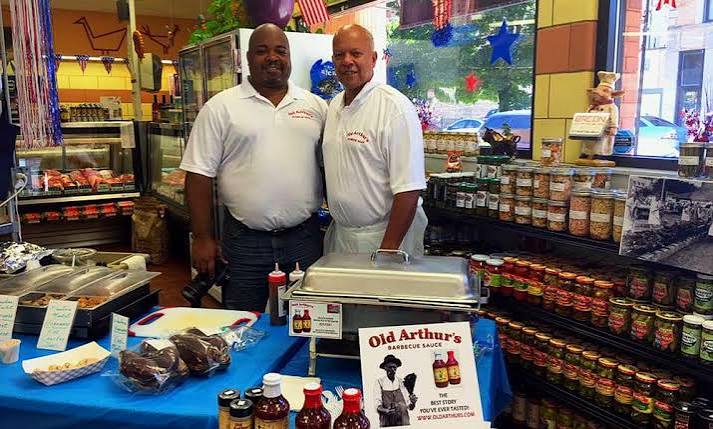
It has grown from a holiday family recipe into a retail brand — direct-to-consumer sales took off during COVID, when everyone was home and grilling, and that became our biggest growth yet.
In 2022 the NBBQA named us the #1 tomato-based barbecue sauce in America, and my oldest son — the sixth generation — stepped on stage to accept it. We’ve never cut corners on ingredients, staying as close to Arthur’s way as we can and giving people both the taste and the story.
Grilling Wisdom from Old Arthur’s
Barbecue has deep roots in Black culture. We asked what makes it resonate so strongly — and how to actually get it right in your own backyard.
Why does barbecue resonate so strongly in Black communities?
I think it comes down to necessity turning into mastery. Barbecuing over an open pit was hot, messy, slow work — not something you’d choose if you had another option. Arthur didn’t have that choice, so it fell to him and people like him to learn it and stay with it.
You worked with the cuts nobody else wanted, and turning those into something worth eating took real skill, built through repetition. Practiced generation after generation, that skill becomes cultural memory — passed hand to hand, the way Arthur’s recipes were.
We’re drawn to it almost like we’re being called by our ancestors. They created excellence out of nothing. There’s real pride in that.
Why was it important to keep the Old Arthur’s name?
My grandfather taught me at twelve that the most valuable thing you have is your name — whether people can trust your word. Keeping Arthur’s name on the label isn’t sentimental branding; it’s the whole point — the opportunity he left us, the responsibility to tell his story right, and the accountability to see future generations benefit from what he built.
Gas or charcoal?
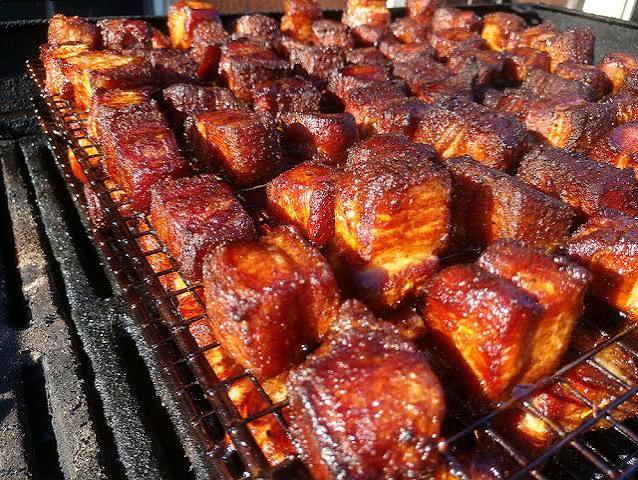
Charcoal, without question. Charcoal and hardwood give smoked meat a dimension gas can’t touch — in flavor, color, and texture — and real fire is what gets you that smoky essence.
The wood isn’t arbitrary either; plan it around the protein. Apple, hickory, and maple each lend their own essence, and cherry both flavors the meat and darkens it. Even the “smoke ring” is chemistry, not a trick: as the meat warms toward 145 degrees, compounds in the smoke bind with the myoglobin to form it — a real marker of technique.
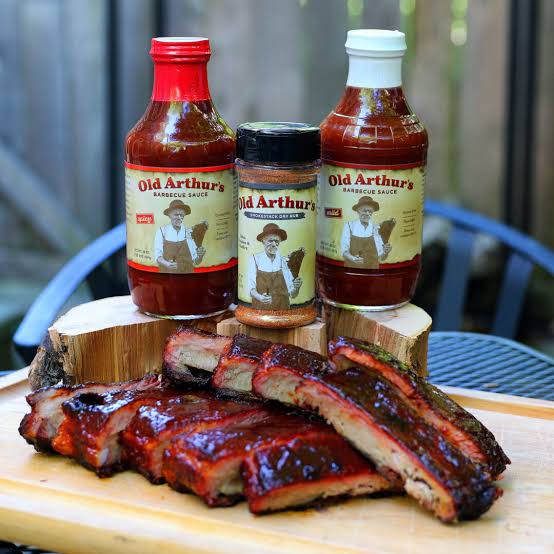
Ask about ribs and you’ll get a whole taxonomy. Baby backs come from near the loin — leaner and less forgiving. Spare ribs come from down by the belly, built for a longer, slower cook that melts collagen into rich gelatin.
Trim a rack of spares into a neat rectangle and you’ve got St. Louis-style. What you cut away becomes rib tips — a Chicago-style staple, smoked over hardwood and served with hot links, fries, and white bread.
The one piece of wisdom everyone should know
Barbecue is a lot like golf — the more reps you get, the more proficient you become. But first you have to learn what you’re actually capable of. Fire control is the first real step toward mastering your grill, and you can start any lazy afternoon.
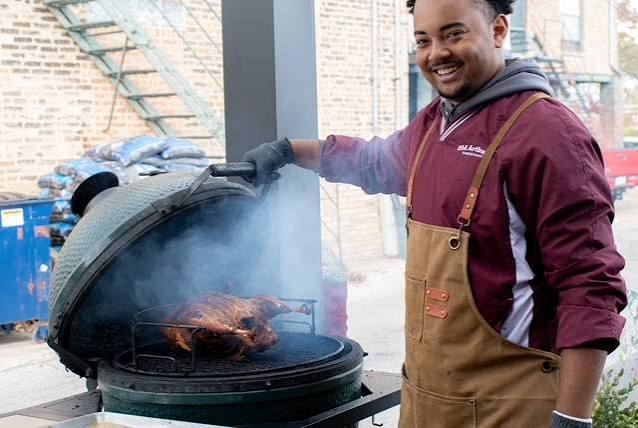
Here’s the drill: light your grill aiming for 235 degrees for a low-and-slow cook, and see if you can hold it there without it climbing on you.
Most grills have two vents — the lower is intake, the upper exhaust. Start the lower at about 25% and the upper around 15%, let it run 30 minutes, then adjust: too hot, close both a little; too cold, widen the top. That’s the difference between hoping your barbecue turns out and knowing it will, every time.
Join the conversation
Loading comments…